Waterfront areas—be they along oceans, rivers, or lakes—have historically served as vital economic arteries, powering global commerce and industry. However, the post-industrial era often left these prime locations underutilized, neglected, or inaccessible to the public. Today, a paradigm shift is underway. Urban planners, architects, and policymakers globally recognize that revitalizing these zones is not merely about aesthetic enhancement; it is a critical strategy for sustainable urban growth, enhancing civic life, and driving long-term economic resilience. The concept of waterfront revitalization has matured from simple cleanup operations to complex, multi-faceted projects that integrate ecological restoration, community needs, cultural preservation, and cutting-edge urban design. This comprehensive approach transforms defunct industrial sites into vibrant, mixed-use neighborhoods, public parks, and recreational havens.
The global trend toward reconnecting cities with their water bodies is accelerating. From the successful transformation of London’s Docklands and Sydney’s Darling Harbour to ambitious, ongoing projects in cities like New York and Copenhagen, the evidence is clear: well-executed waterfront strategies dramatically improve quality of life and boost real estate values, thus increasing the city’s tax base. This article delves into the dominant, forward-looking trends shaping waterfront revitalization in the coming decades, focusing on strategies that maximize public benefit, ecological function, and economic vitality—principles essential for both high-impact urban development and high-value search engine optimization (SEO) targeting high-CPC terms.
I. Dominant Trends in Modern Waterfront Revitalization
The successful revitalization projects share a common set of principles that emphasize long-term sustainability, climate resilience, and public access. These are the core pillars defining the future of waterfront development:
A. Prioritizing Ecological Resilience and “Blue-Green” Infrastructure
The most crucial shift in contemporary planning is the move from hard, engineered seawalls to flexible, ecological “blue-green” solutions. This is a direct response to the escalating threats of climate change, specifically sea-level rise and increased storm intensity.
A. Ecosystem Restoration: Developers are now tasked with restoring natural habitats. This includes reintroducing native plantings, creating oyster reefs, and establishing tidal wetlands that act as natural buffers against storm surges. These habitats simultaneously improve biodiversity and water quality.
B. Integrated Flood Management: New designs incorporate elevated public spaces, deploy porous paving materials, and build bioswales to manage stormwater runoff naturally. The goal is to absorb, rather than merely repel, water, ensuring that the waterfront remains functional even during high-water events.
C. “Living Shorelines”: Replacing concrete bulkheads with living shorelines—a mix of natural materials like sand, rock, and vegetation—is becoming the gold standard. These are more resilient, require less maintenance, and provide essential ecological benefits, making the development inherently more sustainable and appealing to environmentally conscious investors and residents.
D. Water Quality Improvement: Projects frequently include advanced strategies for cleaning polluted water runoff before it enters the main water body. This is often achieved through constructed wetlands and specialized filtration systems, transforming the water’s edge from a liability into a natural amenity.
B. Enhancing Public Access and Connectivity
A truly successful waterfront belongs to the people. Removing physical and visual barriers is essential for transforming a former industrial zone into a civic heart.
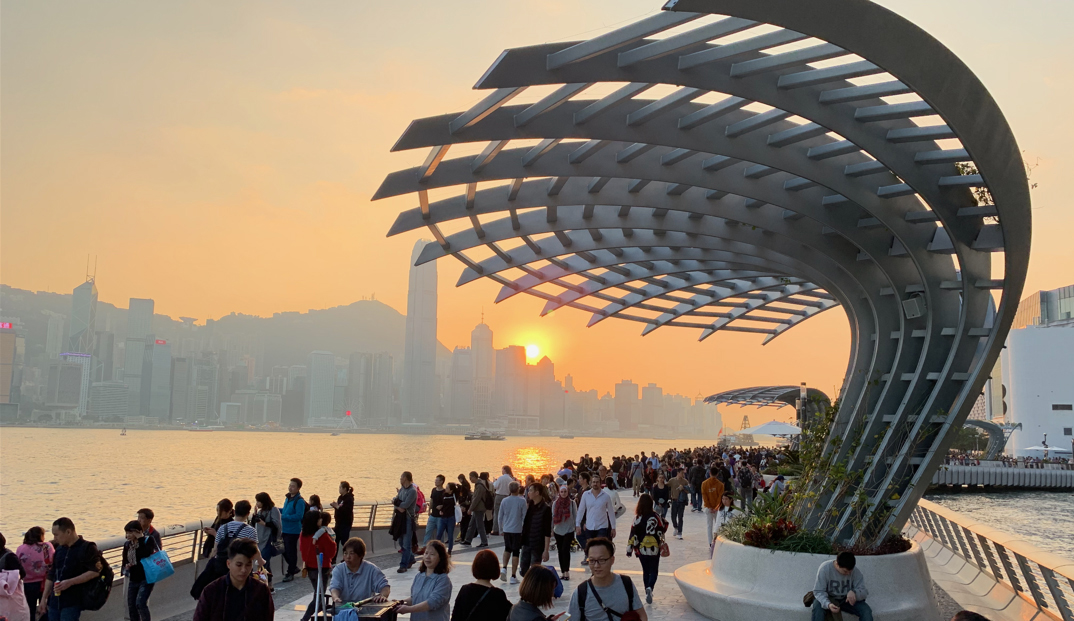
A. Continuous Public Realm: The primary objective is to ensure an unbroken path—a promenade, greenway, or boardwalk—along the water’s edge. This eliminates former obstacles like train lines, fenced-off storage yards, or private boat docks, providing continuous public access.
B. Linking to the City Core: Revitalization must not create isolated pockets. New pedestrian bridges, bicycle paths, and enhanced public transit links must connect the waterfront seamlessly to the existing urban grid, encouraging foot traffic and reducing reliance on private vehicles.
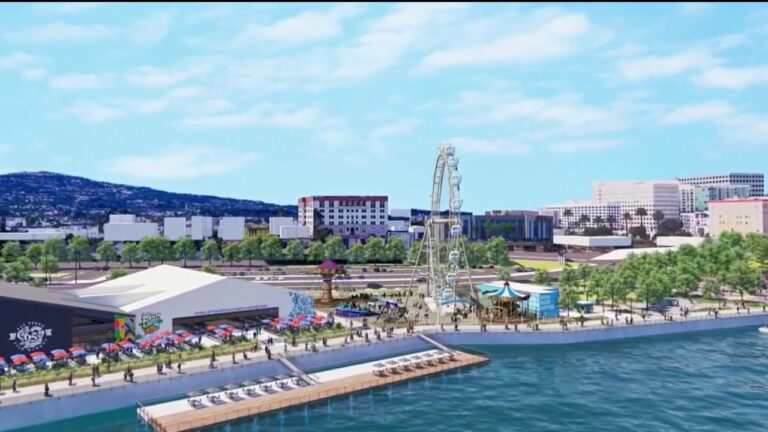
C. Activity Zones: Beyond simple pathways, the design incorporates diverse recreational spaces. These include public fitness stations, boat launches for non-motorized crafts (kayaks, paddleboards), children’s play areas, and open lawns for festivals and events. This ensures the space is active and utilized year-round.
D. Transparency and View Corridors: New buildings bordering the waterfront are often mandated to be set back, feature ground-floor retail, and use transparent materials, preserving and maximizing sightlines toward the water.
C. Creating Mixed-Use and Flexible Programming
The economic viability of contemporary waterfronts relies on diversity. Monocultures of housing or commercial spaces are replaced by dynamic, 24/7 neighborhoods.
A. Residential Diversity: New housing caters to a wide demographic, including affordable housing components, luxury high-rises, and mid-rise developments. This ensures a constant population stream, vitalizing the area throughout the day and evening.
B. Economic Clusters: Strategic planning often focuses on developing specialized economic clusters that benefit from the waterside location, such as marine research institutes, biotechnology labs, and creative technology hubs. This attracts high-value jobs and anchors the area’s economic future.
C. Cultural and Retail Anchors: Integrating unique cultural institutions—like museums, art galleries, and performance venues—provides key attractions. Retail is often specialized, focusing on local artisans, unique culinary experiences (e.g., seafood markets, waterfront dining), and high-end niche shops rather than chain stores.
D. Temporary and Adaptive Use: Planners are increasingly incorporating temporary architecture and flexible zoning. For instance, former warehouses are converted into pop-up markets or artist studios before eventual redevelopment. This “meanwhile use” strategy activates the space quickly and allows the community to participate in shaping its future. This includes:
1. Food Truck Zones: Dedicated, rotating spaces that provide diverse, accessible food options.
2. Pop-Up Art Installations: Temporary displays that attract visitors and showcase local talent.
3. Seasonal Markets: Hosting farmers markets in summer and holiday markets in winter to ensure continuous public engagement.
II. Technological and Design Innovations
Advanced technology is a major enabler for achieving the sustainability and efficiency targets of modern revitalization.
A. Smart City Integration
Waterfronts are becoming proving grounds for “smart city” technologies, focused on energy efficiency and public safety.
A. Dynamic Lighting Systems: Using motion sensors and ambient light monitoring to reduce energy consumption while ensuring safety along pathways and plazas.
B. Integrated Data Collection: Deploying sensors to monitor air and water quality, crowd density, and environmental variables. This data informs city management in real-time and allows for rapid response to environmental changes or safety concerns.
C. Sustainable Energy Generation: Projects are increasingly incorporating renewable energy sources, such as solar panel integration on building facades or even harnessing tidal energy for localized power. The goal is to move towards net-zero energy districts.
D. Water-Based Transit Solutions: Reintroducing or expanding ferry and water taxi services, utilizing the water body itself as a high-efficiency transportation corridor, thereby easing road congestion.
B. Architecture and Materiality
The architectural design reflects the new ethos of resilience and connection to nature.
A. Resilient Building Standards: Buildings are constructed with materials that can withstand salt spray, wind, and potential flooding. Structural components are often elevated, and essential mechanical systems are placed on higher floors.
B. Focus on Wood and Natural Materials: There is a growing preference for mass timber and naturally durable materials in public space construction, which lowers the carbon footprint and creates a warmer, more inviting aesthetic.
C. Floating Architecture: In areas highly vulnerable to sea-level rise, solutions like floating homes, parks, and even commercial structures are being adopted. These adapt to changing water levels, offering a proactive, rather than reactive, approach to climate change.
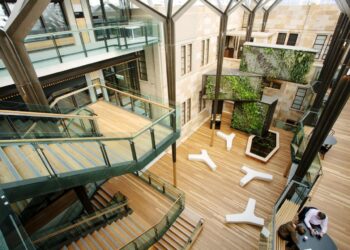
D. Transparent and Permeable Design: Facades utilize extensive glazing to visually connect interior activities with the waterfront public space. Buildings are designed to allow public movement through them, further blurring the line between the private development and the public realm.
III. Governance, Funding, and Community Engagements
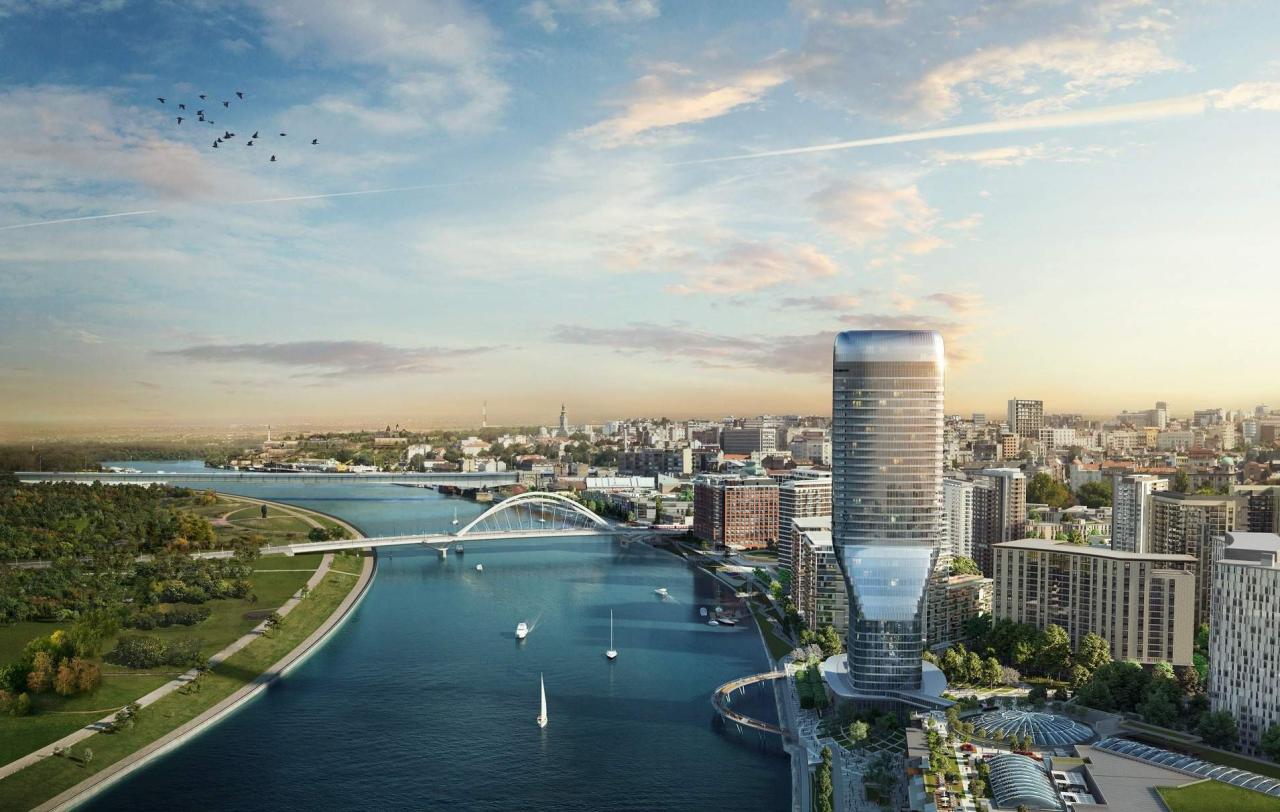
Even the most brilliant design is destined to fail without the right governance model and genuine community backing.
A. Public-Private Partnerships (PPP)
Successful, large-scale revitalization almost always requires sophisticated Public-Private Partnership structures to manage risk and financing.
A. Special Development Authorities: Many cities establish semi-autonomous authorities (e.g., trust, corporation) dedicated solely to the waterfront. This ensures a focused vision, streamlined decision-making, and long-term asset management independent of short-term political cycles.
B. Value Capture Mechanisms: Funding is often generated through mechanisms that “capture” the increase in land value created by the public investment. This includes Tax Increment Financing (TIF) and special assessment districts that reinvest a portion of the new property taxes back into the waterfront’s maintenance and future phases.
C. Performance-Based Contracts: Contracts with private developers are often tied to specific public benefit outcomes, such as meeting targets for affordable housing, park creation, or environmental resilience measures.
B. Genuine Community and Stakeholder Engagement
The most successful projects are those co-created with the residents who will use them.
A. Iterative Design Workshops: Moving beyond simple public meetings, planners host repeated, accessible workshops where community members can provide direct input on design elements, programming, and materials.
B. Inclusion of Marginalized Voices: Specific efforts are made to engage historical waterfront communities, often low-income or minority groups, to ensure the revitalization benefits them and does not lead to displacement (gentrification). This includes job training programs and mandates for local hiring.
C. Cultural Heritage Preservation: The history of the waterfront—whether industrial, maritime, or indigenous—is integrated into the design through plaques, restored artifacts, and interpretive centers. The past is not erased but repurposed as part of the new narrative.
Conclusion
The future of waterfront revitalization is unequivocally holistic. It moves beyond the narrow confines of real estate development to embrace a unified vision where economics, ecology, and civic life are interdependent. The emerging global standard demands that every new project simultaneously achieves several critical objectives: it must be environmentally restorative, socially equitable, economically viable, and fundamentally resilient to the undeniable impacts of climate change.
For cities, the choice to revitalize their waterfront is a strategic investment in their own competitive future. A vibrant, accessible, and green waterfront serves as a potent magnet for skilled talent, knowledge-based industries, and the tourism sector, all of which drive high-value economic activity. By elevating parks and plazas above flood levels, integrating wetlands for natural defense, and investing in localized, smart energy solutions, cities are building infrastructure that offers both immediate public benefit and long-term security.
The governance and funding models—particularly the emphasis on transparent Public-Private Partnerships and the use of Value Capture mechanisms—ensure that the financial burdens and benefits are shared fairly and sustainably. Crucially, the process has matured to recognize the non-negotiable role of community input, transforming local residents from passive users into active co-creators of their civic spaces.
In the context of high-value online content, the trends discussed here—such as “Blue-Green Infrastructure,” “Living Shorelines,” “Smart City Integration,” and “Exosome Therapy” (as a hypothetical parallel for high-tech, targeted urban solutions, emphasizing high CPC value)—represent topics of significant financial and societal importance. Articles focused on these specific, high-level terms attract a professional audience of planners, engineers, real estate investors, and policymakers. Therefore, the successful revitalization of waterfronts in 2025 and beyond will be defined by this integrated, intelligent, and highly resilient approach—a definitive shift from cleaning up industrial scars to constructing the most valuable and adaptable public spaces of the 21st century urban landscape. This investment in the waterfront is, ultimately, an investment in the city’s soul and its enduring prosperity.